
Program Profile
Biomedical Engineering (EBMe) is an engineering discipline that integrates engineering principles with biology and medicine to improve human health and support clinical practice. Biomedical engineers model and analyze complex physiological systems, process medical data for diagnosis and therapy, perform physiological measurements for research and clinical use, and design biomedical devices that help diagnose, monitor, and treat medical conditions.
Due to the shortage of this specialty in the Kurdistan Region, the College of Engineering at the University of Duhok collaborated with the University of Applied Sciences Mittelhessen Giessen (THM) in Germany, particularly with Prof. Dr. Thomas Schanze and Prof. Dr. Martin Fiebich, to establish the department. With support from the German Academic Exchange Service (DAAD), the University of Duhok received a four-year grant in March 2014. Since then, both universities have cooperated through staff exchange, workshops, and specialized lectures.
With continued support from THM and the General Directorate of Duhok Health, the department was officially established, and student admission began in the 2018–2019 academic year under a tuition-based system.
Occupational profiles of graduates
Graduates of the Biomedical Engineering programme possess a strong interdisciplinary background in engineering, biology, and clinical sciences. Through courses in biomedical instrumentation, medical equipment, biomechanics, image and signal processing, electronics, and control systems, they gain the skills needed to apply engineering solutions in healthcare settings.
They are prepared to work in hospitals, medical device companies, research centers, and healthcare technology sectors.
- Clinical / Biomedical Engineer: Managing, maintaining, calibrating, and ensuring the safe operation of medical equipment in hospitals and healthcare institutions.
- Medical Device Engineer: Designing, testing, and improving medical devices and diagnostic systems in compliance with safety and regulatory standards.
- Biomedical Equipment Specialist: Installing, troubleshooting, and optimizing imaging systems, monitoring systems, and therapeutic equipment.
- Biomaterials and Biomechanics Engineer: Working on prosthetics, rehabilitation devices, and biomaterial applications that interact safely with the human body.
- Medical Imaging and Signal Processing Engineer: Developing and applying image processing and digital signal processing techniques for diagnostic and therapeutic purposes.
- Research and Development Engineer: Contributing to innovation in areas such as biomedical instrumentation, wearable health devices, rehabilitation systems, and healthcare technologies.
- Quality Assurance / Regulatory Engineer: Ensuring medical devices meet international safety, quality, and performance standards.
- Entrepreneur / Healthcare Technology Consultant: Establishing startups, providing consultancy services, or developing innovative healthcare solutions tailored to local and regional needs.
Qualification awarded
Joint Bachelor of Science (B.Sc.) Degree in Biomedical Engineering from UoD and THM / Germany
Length of programme
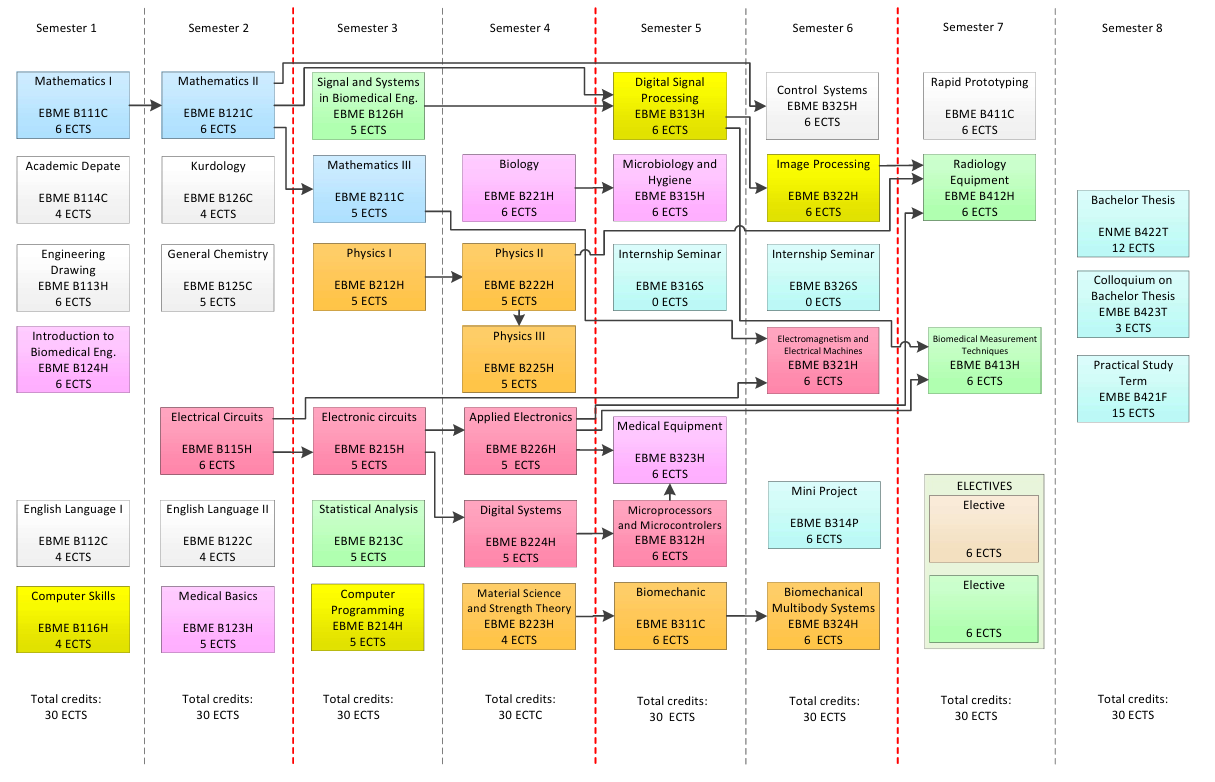
4 years (8 semesters)
Number of credits
240 ECTS credits
Mode of Study
Full time on two campuses of UoD and THM (Germany) for the final 8th semester
Tuition fees
Annual tuition fees are 3500$ per year
Read more about the programme
Get detailed information about the programme requirements, courses, credits, and educational objectives as a PDF file.
Program Educational Objectives (PEOs)
Professional Competence
Demonstrate successful careers in Biomedical Engineering or related disciplines by leveraging technical expertise, analytical skills, and innovation to effectively contribute to their professions.
Ethics & Leadership
Exhibit strong leadership, communication and teamwork skills, enabling them to work effectively within multidisciplinary teams.
Sustainable Practice
Address real-world problems and improve quality of life while upholding ethical standards and considering the broader societal, environmental, and global implications of engineering decisions.
Lifelong Learning
Engage in lifelong learning through advanced education, professional development, and certifications or other learning opportunities to adapt to evolving technologies, drive innovation, and contribute to the development of new technologies.
Program Learning Outcomes
After successfully completing this programme graduates will be able to:
- Solve complex engineering problems using principles of engineering, science, and mathematics.
- Design engineering solutions that meet specified needs while considering health, safety, welfare, and global, cultural, social, environmental, and economic factors.
- Communicate effectively with diverse and multidisciplinary audiences.
- Demonstrate ethical and professional responsibility and make informed judgments considering global, economic, environmental, and societal impacts.
- Work effectively in teams to provide leadership, collaborate, set goals, plan tasks, and achieve objectives.
- Design and conduct experiments, analyze data, and apply engineering judgment to reach valid conclusions.
- Engage in lifelong learning by acquiring and applying new knowledge using appropriate learning strategies.
- Address multidisciplinary challenges by integrating knowledge from engineering, medical, and biological sciences to develop effective healthcare solutions.
General Requirement for Completing the Program
Courses
Students are required to obtain a minimum of 213 ECTS credits over the period of 8 semesters.
Graduation Project
The students have to complete a graduation project worth 12 ECTS and present a report to the department and pass an exam. This is conducted in THM in Germany.
Internship
Students are required to complete a 15-ECTS internship, typically scheduled in the final semester or upon earning a minimum of 180 ECTS credits.
Programme structure diagram with credits
Programme Coordinator
Yearly Timeline
Sept. 1, 2026
⚠️ First year students start around mid-October
⚠️ First year students start exams around 20 of January
July 1, 2027
Check out the full academic calendar on UoD's webstie.
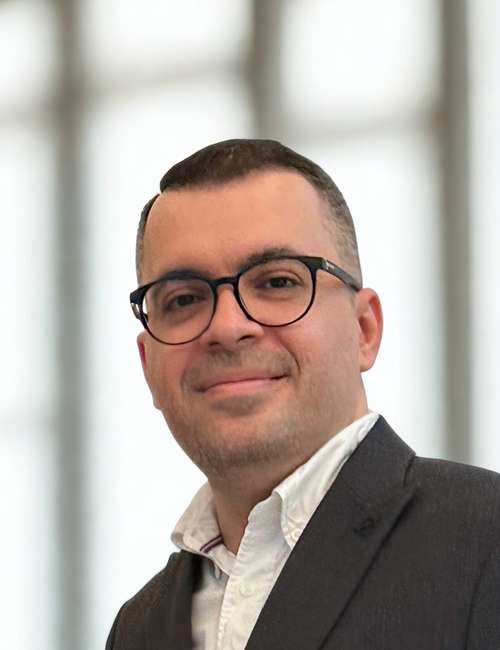
Lecturer in Electrical and Computer Engineering - Automation and Control
Biomedical Engineering
College of Engineering
University of Duhok
Apply to the Programme
Public undergraduate admissions in the KRG region are managed centrally by the Ministry of Higher Education through the online ZankoLine portal (regayzanko.com). After Grade 12 Baccalaureate results are released, high schools provide students with unique login credentials to rank their preferred universities and B.Sc. majors during a 10–14 day registration window. Final placement is automatically determined by the student's Grade 12 average, subject choices, and department capacity.