
Program Profile
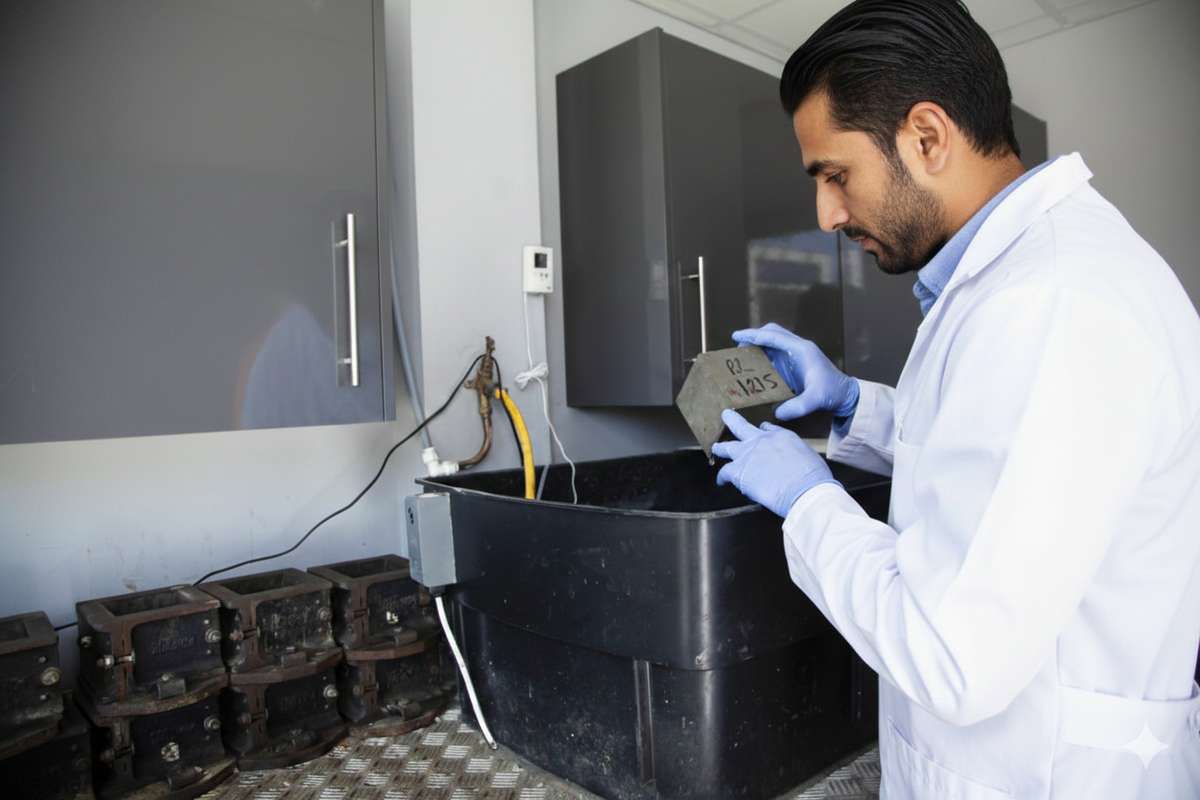
The B.Sc. in Civil Engineering programme offers a general specialisation in civil engineering. It offers a four-year Bachelor of Science (B.Sc.) degree structured over eight semesters. Students study core areas including structural, geotechnical, transportation, environmental, surveying, and water resources engineering. The curriculum integrates strong theoretical foundations with laboratory and practical training. Design projects and applied coursework enhance problem-solving and teamwork skills.
Occupational profiles of graduates
Graduates of the Civil Engineering Programme are qualified to work in diverse professional roles within the public and private sectors. They may serve as structural, geotechnical, transportation, water resources, and environmental engineers contributing to the design and development of infrastructure projects. Graduates can also work as surveying engineers conducting land surveying, mapping, and construction layout. Many pursue careers as site engineers, materials and quality control engineers, or construction project managers overseeing implementation and compliance. In addition, opportunities exist in consultancy services, research institutions, and academic careers through postgraduate studies.
Qualification awarded
Bachelor of Science (B.Sc.) in Civil Engineering
Length of programme
4 years (8 semesters)
Number of credits
240 ECTS credits
Mode of Study
Full time on campus
Read more about the programme
Get detailed information about the programme requirements, courses, credits, and educational objectives as a PDF file.



Program Educational Objectives (PEOs)
Professional Competence
Prepare graduates with strong technical knowledge and skills to analyze, design, and manage civil engineering projects effectively.
Ethics & Leadership
Develop responsible engineers who demonstrate ethical practice, leadership, and effective communication in multidisciplinary teams.
Sustainable Practice
Equip graduates to apply sustainable and innovative engineering solutions that address societal and environmental needs.
Lifelong Learning
Encourage continuous professional development, research engagement, and pursuit of advanced studies.
Program Learning Outcomes
- Engineering Knowledge: Apply mathematics, natural sciences, and engineering principles to solve complex civil engineering problems.
- Problem Analysis: Identify, formulate, and analyze civil engineering challenges using appropriate analytical and computational methods.
- Design & Development: Design safe and sustainable infrastructure systems that meet specified needs while considering public health, safety, and environmental impacts.
- Investigation & Experimentation: Conduct experiments, analyze data, and interpret results to improve engineering solutions.
- Modern Tool Usage: Utilize contemporary engineering software, laboratory equipment, and digital technologies effectively.
- Ethics & Professional Responsibility: Demonstrate ethical conduct, accountability, and understanding of professional standards.
- Communication & Teamwork: Work effectively in multidisciplinary teams and communicate technical information clearly.
- Lifelong Learning: Engage in continuous professional development and adapt to emerging technologies and industry practices.
General Requirement for Completing the Program
Courses
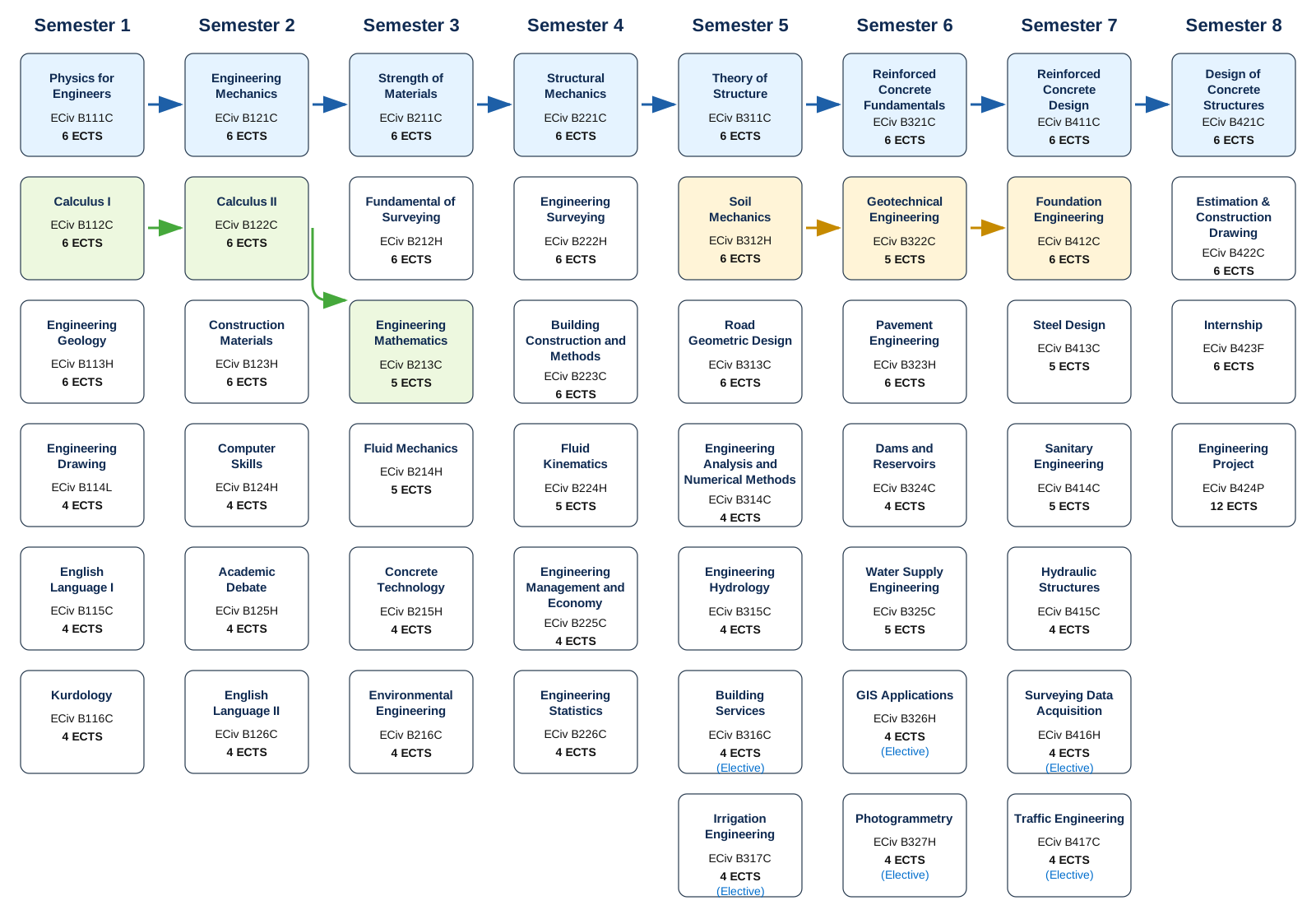
Students are required to obtain a minimum of 222 ECTS credits over the period of 8 semesters.
Graduation Project
The students have to complete a graduation project worth 12 ECTS and present a report to the department and pass an exam.
Internship
Students are required to complete a 6-ECTS internship, typically scheduled in the final semester or upon earning a minimum of 180 ECTS credits.
Programme structure diagram with credits
Yearly Timeline
Sept. 1, 2026
⚠️ First year students start around mid-October
⚠️ First year students start exams around 20 of January
July 1, 2027
Check out the full academic calendar on UoD's webstie.
Programme Coordinator
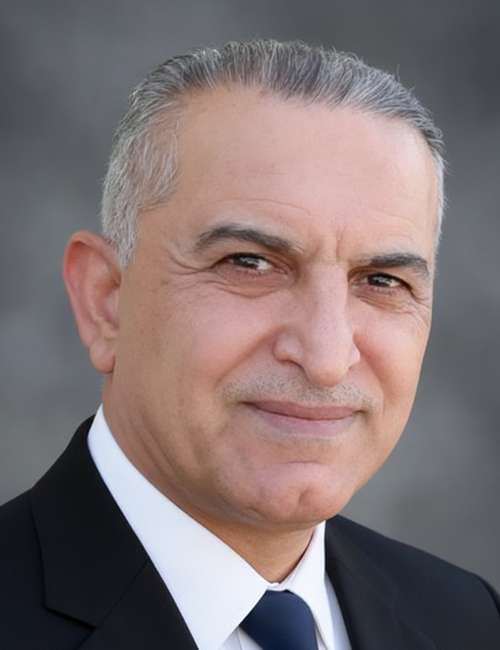
Assistant Professor in Environmental Engineering
Civil Engineering
College of Engineering
University of Duhok
Apply to the Programme
Public undergraduate admissions in the KRG region are managed centrally by the Ministry of Higher Education through the online ZankoLine portal (regayzanko.com). After Grade 12 Baccalaureate results are released, high schools provide students with unique login credentials to rank their preferred universities and B.Sc. majors during a 10–14 day registration window. Final placement is automatically determined by the student's Grade 12 average, subject choices, and department capacity.